

Rhinoplasty
Rhinoplasty is defined as surgical operations that aim to change the structure and appearance of the nose in order to eliminate the problems experienced by people who have problems in terms of both health and appearance due to congenital or subsequent traumas. The psychology of individuals may be adversely affected by reasons such as aesthetic appearance disorders and respiratory problems. The field of rhinoplasty aims to provide solutions to all these problems with surgical interventions, and to have an aesthetic appearance and a healthy nose structure. As before every surgical operation, you should consult your doctor and undergo a detailed examination before rhinoplasty.

All movements that put pressure on the nose should be avoided. The use of cigarettes and tobacco products not only delays the healing process, but also causes contraction in the veins, thus reducing the oxygen and blood supply in the general healing process. Ending the use of tobacco products plays an important role in getting through the pre-operative period and the post-operative recovery period more easily.
During the meeting with your doctor before rhinoplasty, you should inform your doctor about your current diseases, allergies and medications you use. This is a very important step to prevent complications during and after the surgery. You should not skip this step or provide incomplete information. Your doctor may suggest that you stop some of the medications you use before the surgery. In addition, with the advice of your doctor, you may need to avoid some herbal medicines or supplements. It is also very important that you stop smoking before rhinoplasty. Smoking can prolong your recovery after your surgery.
Yes, there are non-surgical procedures for rhinoplasty. These procedures, which are usually done with filling, are used to correct situations such as asymmetry disorders if the nose structure is suitable.
The healing process varies from person to person. The healing process takes at least 2 months. But it takes up to 1 year for the nose to fully fit into the body.
It would be the most appropriate choice to wait until the age of 18 in order to complete the developmental age. Anyone who has health problems due to the nose structure and is not satisfied with the aesthetic appearance of their nose can apply for these procedures.
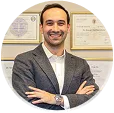
Op. Dr. Burak PASİNLİOĞLU graduated from Ankara Science High School in 2006 and from Ankara University Faculty of Medicine in 2013. He completed his residency at Gazi University Plastic Surgery Clinic in 2019 and earned the title of Plastic, Reconstructive, and Aesthetic Surgeon. He received the European Equivalency for Plastic Surgery (EBOPRAS) in 2020. He has been seeing patients in his private practice since 2021.
Rhinoplasty is a surgical procedure aimed at improving the aesthetic appearance and correcting functional problems of the nose. The nose is one of the most prominent features of the face, significantly influencing its balance and harmony. Therefore, nasal surgery plays a crucial role in achieving facial aesthetics and harmony.
Individuals may seek rhinoplasty for various reasons. These may include dissatisfaction with the shape of the nose, congenital or traumatic nasal deformities, breathing problems, and other functional issues related to the nose. The desire for nasal aesthetics often stems from both aesthetic concerns and practical reasons, such as facilitating breathing or achieving an appropriate nasal profile.
Rhinoplasty surgery is typically performed under general anesthesia, and the surgeon may use either open or closed techniques, depending on preference. In open rhinoplasty, a small incision is made between the nostrils to access the cartilage and tissues, while in closed rhinoplasty, incisions are made inside the nose, leaving no visible external scars. Additionally, recent advancements in technology, such as ultrasonic piezo technology, allow for more precise incisions, speeding up the recovery process.
Before rhinoplasty surgery, patients undergo a thorough evaluation and consultation with their surgeon to discuss the surgical plan. During these consultations, the patient’s expectations, anatomical features, and medical history are assessed. Furthermore, important information such as smoking habits, medications, and allergies is taken into account.
Following rhinoplasty surgery, patients may experience swelling, bruising, and mild discomfort around the nose for several days, which is considered normal. These symptoms typically subside within a few weeks, and the healing process is completed. However, achieving full recovery and final results may take several months. During this period, it is essential for patients to maintain regular communication with their doctors and follow the recommended care instructions.
Like any surgical procedure, rhinoplasty carries certain risks, including infection, bleeding, healing problems, and unexpected outcomes. Therefore, thorough preoperative education and clear communication with the surgeon are essential.
Rhinoplasty surgery is an effective method for enhancing nasal aesthetics and correcting functional issues. When performed with proper planning and by an experienced surgeon, it can be a rewarding procedure that enhances patient satisfaction and quality of life. However, achieving successful outcomes requires patients to collaborate with their surgeons both before and after surgery.